حسين فهمي: الأدب المصري كنز من الحكايات التي تستحق الوصول إلى الشاشة
زين العابدين خيري: الملتقى يفتح آفاقًا جديدة للتعاون بين دور النشر وصناع السينما
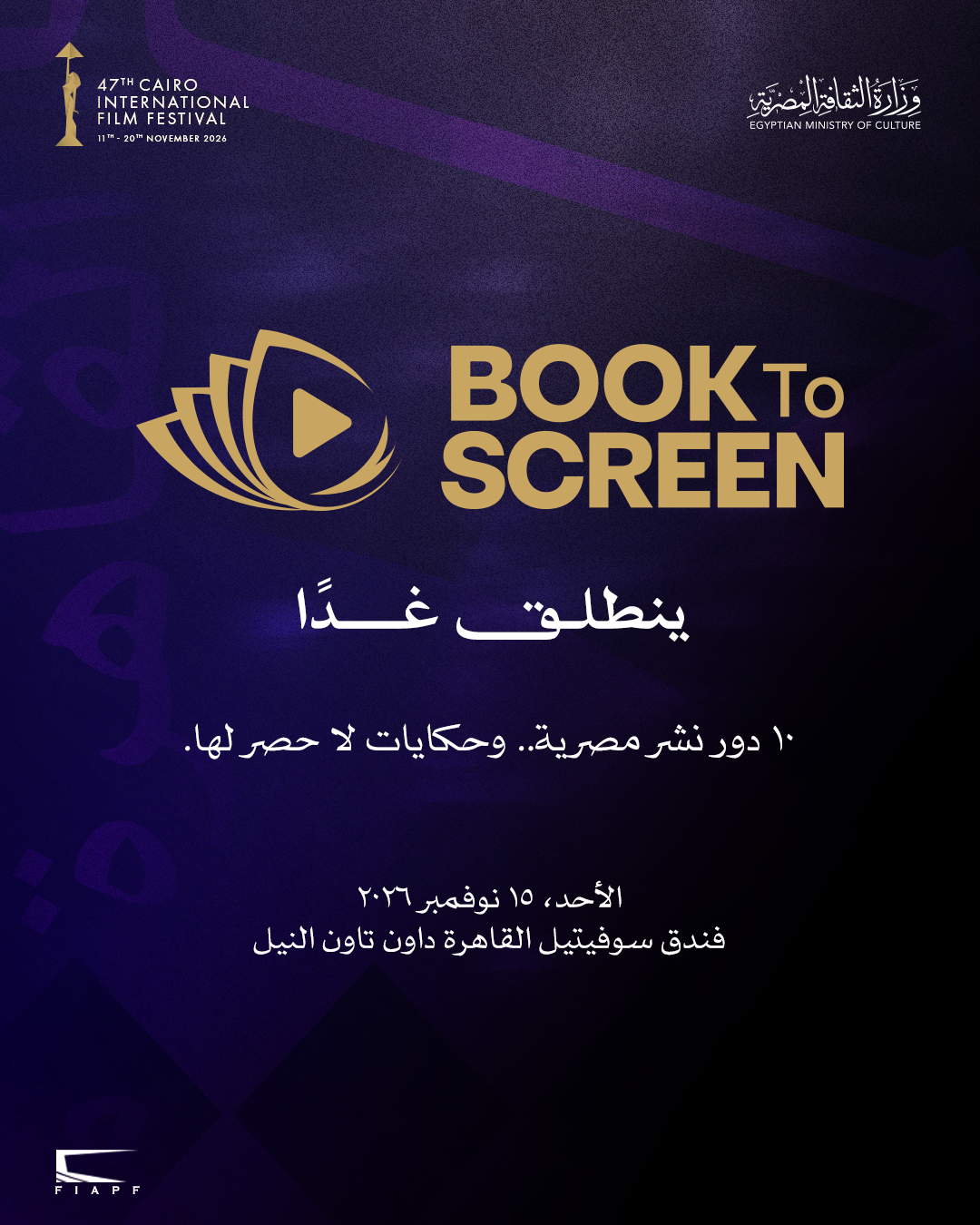
يطلق مهرجان القاهرة السينمائي الدولي، برئاسة الفنان حسين فهمي، غدًا الأحد 15 نوفمبر، في تمام الساعة العاشرة صباحًا، بقاعة الدبلومات بفندق سوفيتيل القاهرة داون تاون النيل، الدورة الأولى من ملتقى «من الكتاب إلى الشاشة» (Book to Screen)، تحت إشراف الناقد السينمائي زين العابدين خيري، مدير الملتقى، وذلك ضمن فعاليات الدورة الثامنة من «أيام القاهرة لصناعة السينما»، برئاسة الناقد الفني محمد سيد عبد الرحيم، والمقامة في إطار الدورة السابعة والأربعين للمهرجان.
ويهدف الملتقى إلى تعزيز التعاون بين دور النشر وصناع السينما، وفتح مسارات جديدة لتحويل الأعمال الأدبية إلى مشروعات سينمائية وتلفزيونية، من خلال إتاحة الفرصة أمام الناشرين وأصحاب الحقوق الأدبية لعرض أعمالهم ومناقشة إمكاناتها الدرامية مع المنتجين والمخرجين والمتخصصين في تطوير المحتوى. ويقام تحت رعاية الدار المصرية اللبنانية.
وأكد الفنان حسين فهمي، رئيس مهرجان القاهرة السينمائي الدولي، أن إطلاق الملتقى يأتي امتدادًا لدور المهرجان في دعم صناعة السينما وفتح مجالات جديدة للتعاون بين مختلف أطرافها، مشيرًا إلى أن الأدب المصري والعربي يمتلك رصيدًا ثريًا من الحكايات والشخصيات التي تستحق الوصول إلى الشاشة.
وقال فهمي: «السينما المصرية قدمت عبر تاريخها أعمالًا عظيمة استلهمت الروايات والقصص الأدبية، وأسهمت هذه العلاقة في صناعة أفلام أصبحت جزءًا من ذاكرتنا الفنية. ونسعى من خلال هذا الملتقى إلى إحياء هذه العلاقة وتطويرها، وتوفير فرص حقيقية للقاء الناشرين والكتاب مع المنتجين والمخرجين، حتى تتحول الأفكار والحكايات الجيدة إلى مشروعات سينمائية جديدة».
وأعرب عن تطلعه إلى أن يصبح الملتقى منصة سنوية تسهم في اكتشاف أعمال أدبية واعدة، وتفتح أمامها طريقًا إلى السينما والتلفزيون، بما يثري الإنتاج المصري والعربي ويعزز التنوع في الموضوعات والحكايات المقدمة للجمهور.
من جانبه، قال الناقد السينمائي زين العابدين خيري، مدير ملتقى «من الكتاب إلى الشاشة»، إن هناك حياة أخرى تنتظر بعض الحكايات خارج صفحات الكتب، تكتسب فيها الشخصيات وجوهًا وأصواتًا، وتتحول العوالم التي رسمتها الكلمات إلى صور نابضة بالحياة، مشيرًا إلى أن انتقال الرواية إلى الشاشة رحلة إبداعية تعيد اكتشاف النص الأدبي من خلال لغة السينما وأدواتها.
وأضاف أن الأدب كان أحد أغنى منابع السينما المصرية منذ بداياتها، وأسهمت أعمال طه حسين وتوفيق الحكيم ونجيب محفوظ ويوسف إدريس وإحسان عبد القدوس ويحيى حقي وغيرهم في تشكيل جانب مهم من ذاكرتها الفنية، مؤكدًا أن الاقتباس السينمائي فعل إبداعي مستقل، يمنح الحكاية حياة جديدة، ويصل بها إلى جمهور أوسع.
وأوضح خيري أن التحولات المتسارعة في صناعة المحتوى وتزايد الطلب على الحكايات تفرض أهمية بناء جسور مهنية منظمة بين عالم النشر وصناعة السينما، وهو ما يسعى الملتقى إلى تحقيقه بمشاركة عشر دور نشر مصرية، تقدم كل منها رواية مرشحة للاقتباس، لعرضها على صناع السينما ومناقشة فرص تطويرها وإنتاجها، مع الحفاظ على الحقوق الإبداعية والاقتصادية لأصحاب الأعمال.
وأكد أن الملتقى يمثل خطوة نحو الاستفادة من ثراء الإنتاج الأدبي المصري والعربي، وإيجاد امتداد إبداعي واقتصادي للأعمال المنشورة، معربًا عن أمله في أن يصبح «من الكتاب إلى الشاشة» موعدًا سنويًا تتولد من خلاله مشروعات سينمائية وتلفزيونية جديدة، تبدأ رحلتها من لقاء بين ناشر وصانع أفلام.
10 روايات في الدورة الأولى
وتضم قائمة الأعمال المشاركة عشر روايات اختارتها دور النشر، هي «تاج شمس» لهاني القط، عن بيت الحكمة للنشر، و«دماء على السجادة الحمراء» لنهى داود، عن الدار المصرية اللبنانية، و«عزيزتي سيلين» لرامي حمدي، عن نهضة مصر، و«الخواجاية» لفيموني عكاشة، عن دار الشروق، و«لونجا» لمريم عبد العزيز، عن الكتب خان.
كما تضم «صدأ» لشيرين هنائي، عن دار الرواق، و«صفر فاصل خمسة» لأحمد القرملاوي، عن دار ديوان، و«أشباح مرجانة» لمحمود عبد الشكور، عن دار دوّن، و«دليل جدتي لقتل الأوغاد» لميرنا المهدي، عن دار الكرمة، و«ليلى وفرانز» لمحمد علي إبراهيم، عن دار العين.
ويوفر الملتقى مساحة للقاءات المهنية المباشرة بين الناشرين وصناع السينما، لبحث فرص الاقتباس والتطوير والتعاون الإنتاجي، بما يسهم في تحويل الأعمال الأدبية إلى مشروعات قابلة للتنفيذ.
عن أيام القاهرة لصناعة السينما
تُعد «أيام القاهرة لصناعة السينما» منصة مهنية لدعم صناعة السينما العربية، من خلال اللقاءات المتخصصة والورش والبرامج التدريبية، وإتاحة فرص التواصل وتبادل الخبرات بين صناع الأفلام والمنتجين والخبراء، بما يعزز التعاون ويدعم المواهب الجديدة في مختلف مراحل الصناعة.
عن مهرجان القاهرة السينمائي الدولي
يُقام مهرجان القاهرة السينمائي الدولي سنويًا تحت رعاية وزارة الثقافة المصرية، ويحتفي هذا العام بمرور خمسين عامًا على انطلاق دورته الأولى عام 1976. ويُعد أحد أعرق المهرجانات السينمائية في العالم العربي وأفريقيا، ويحمل الاعتماد الرسمي من الاتحاد الدولي لجمعيات منتجي الأفلام (FIAPF)، ويواصل دوره منصةً دوليةً للتبادل الثقافي والاحتفاء بالفن السينمائي.
_________
From Page to Screen: Cairo International Film Festival Launches Forum Bringing Together 10 Publishing Houses and Filmmakers
Hussein Fahmy: Egyptian and Arab literature is a treasure trove of stories deserving to be brought to the screen
Zein El Abedin Khairy: We aim to turn connections between publishers and filmmakers into tangible projects
Cairo International Film Festival (CIFF), headed by President Hussein Fahmy, will launch the inaugural edition of its Book to Screen Forum tomorrow, Sunday, November 15, at 10:00 AM, in the Diplomas Hall at Sofitel Cairo Downtown Nile.
Directed by film critic Zein El Abedeen Khairy, the forum is part of the eighth edition of Cairo Industry Days, headed by film critic Mohamed Sayed Abdel Rehim, and held within the framework of the festival’s 47th edition.
The forum will bring together ten Egyptian publishing houses, each presenting a novel selected for its potential to be adapted into a film or television production. The initiative aims to strengthen collaboration between publishers and filmmakers while creating new pathways for transforming literary works into projects ready for development and production.
Hussein Fahmy, President of Cairo International Film Festival, emphasized that launching the forum represents a continuation of the festival’s commitment to supporting the film industry and creating new opportunities for collaboration among its various sectors. He noted that Egyptian and Arab literature offers a rich legacy of stories and characters deserving to be brought to the screen.
“Throughout its history, Egyptian cinema has produced remarkable films inspired by novels and literary works. This relationship has given us films that have become an integral part of our cinematic memory,” Fahmy said.
“Through this forum, we seek to revive and strengthen that relationship, creating genuine opportunities for publishers and writers to connect with producers and directors, allowing compelling ideas and stories to develop into new cinematic projects.”
Fahmy also expressed his hope that the forum would become an annual platform for discovering promising literary works and opening new opportunities for their adaptation into film and television, enriching Egyptian and Arab productions while encouraging greater diversity in the stories presented to audiences.
For his part, film critic Zein El Abedin Khairy, Director of the Book to Screen Forum, said that some stories have another life waiting for them beyond the pages of a book, where characters acquire faces and voices, and worlds once imagined through words become vivid moving images.
He described the journey from novel to screen as a creative process that rediscovers literary works through the distinctive language and tools of cinema.
Khairy noted that literature has long been one of Egyptian cinema’s richest sources of inspiration. Works by major writers, from Taha Hussein and Tawfiq Al-Hakim to Naguib Mahfouz, Youssef Idris, Ihsan Abdel Quddous, and Yahya Haqqi, have helped shape a significant part of its cinematic heritage.
He emphasized that cinematic adaptation is an independent creative act, giving stories new life and introducing them to wider audiences.
Khairy explained that the forum seeks to establish structured professional connections between the publishing and film industries by presenting ten novels to producers and directors and exploring opportunities for their development and production, while safeguarding the creative and economic rights of their authors and rights holders.
He also expressed his hope that Book to Screen would become an annual meeting point from which new film and television projects could emerge, stressing that the richness of Egyptian and Arab literature offers an inexhaustible source of stories capable of bringing greater diversity and depth to the screen.
10 Novels Selected for the Inaugural Edition
The inaugural edition features ten novels selected by participating publishing houses:
Taj Shams (Crown of the Sun) by Hani El Qatt, published by Bayt Al-Hikma; Dimaa Ala Al-Saggada Al-Hamraa (Blood on the Red Carpet) by Noha Dawoud, published by the Egyptian Lebanese Publishing House; Azizati Celine (My Dear Celine) by Rami Hamdy, published by Nahdet Misr; Al-Khawagaya by Fimony Okasha, published by Dar Al-Shorouk; and Longa by Mariam Abdel Aziz, published by Al Kotob Khan.
The selection also includes Sada (Rust) by Sherine Hanaei, published by Al Rawaq; Sefr Fasel Khamsa (Zero Point Five) by Ahmed El Karmalawy, published by Diwan; Ashbah Morgana (Ghosts of Morgana) by Mahmoud Abdel Shakour, published by Dawen; Dalil Gaddati Li Qatl Al-Awghad (My Grandmother’s Guide to Killing Scoundrels) by Mirna El Mahdy, published by Al Karma; and Layla wa Franz (Layla and Franz) by Mohamed Ali Ibrahim, published by Dar Al Ain.
The forum will provide a dedicated space for direct professional meetings between publishers and filmmakers to explore adaptation opportunities, project development, and potential production partnerships, helping literary works take their first steps toward becoming viable screen projects.
About Cairo Industry Days
Cairo Industry Days is a professional platform dedicated to supporting the Arab film industry through specialized discussions, workshops, and training programs. It provides opportunities for networking and knowledge exchange among filmmakers, producers, and industry experts, fostering collaboration and supporting emerging talent across different stages of filmmaking.
About Cairo International Film Festival
Cairo International Film Festival is held annually under the auspices of the Egyptian Ministry of Culture. This year, the festival marks 50 years since its inaugural edition in 1976.
As one of the oldest and most prestigious film festivals in the Arab world and Africa, CIFF is officially accredited by the International Federation of Film Producers Associations (FIAPF) and continues to serve as an international platform for cultural exchange and the celebration of cinematic art.